ILP Task Force V – 2021
Assessing the relationships between lithospheric processes and seafloor topography at oceanic hotspots and divergent
Project Leaders: Alessandra Savini (University of Milan Bicocca, Italy), Sebastian Krastel (Kiel University, Germany), Aaron Micallef (MBARI, USA), Paraskevi Nomikou (NKUA, Greece)
Project summary
LithoMar
is an international Task Force established under the International Lithosphere Program (ILP) for the period 2021–2025. The project aims to investigate how lithospheric processes —such as tectonics, volcanism, and fluid circulation—shape the seafloor morphology at oceanic hotspots and
divergent margins.

Covering more than 70% of the Earth’s surface, the submarine environment holds vast scientific and economic importance. Yet much of it remains poorly understood, particularly in remote and deep-sea regions. LithoMar tackles this frontier by promoting a multidisciplinary and integrative approach, focusing on how deep Earth processes interact with seafloor landscapes across a wide range of spatial and temporal scales.
Understanding how fast or slow a geological process acts—and how large or small its morphological footprint is—remains one of the key open challenges in submarine geoscience. LithoMar aims to bridge this gap by investigating how different types of processes (tectonic, volcanic, sedimentary, fluid-related) produce distinct topographic features depending on their duration, frequency, and scale of occurrence.
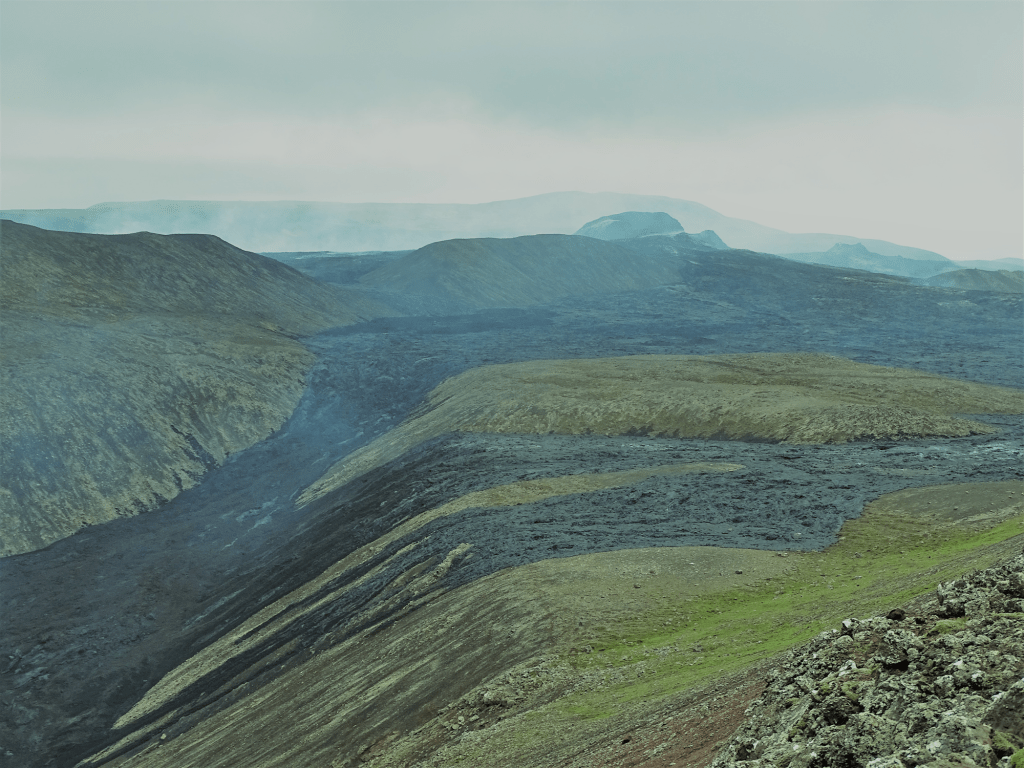
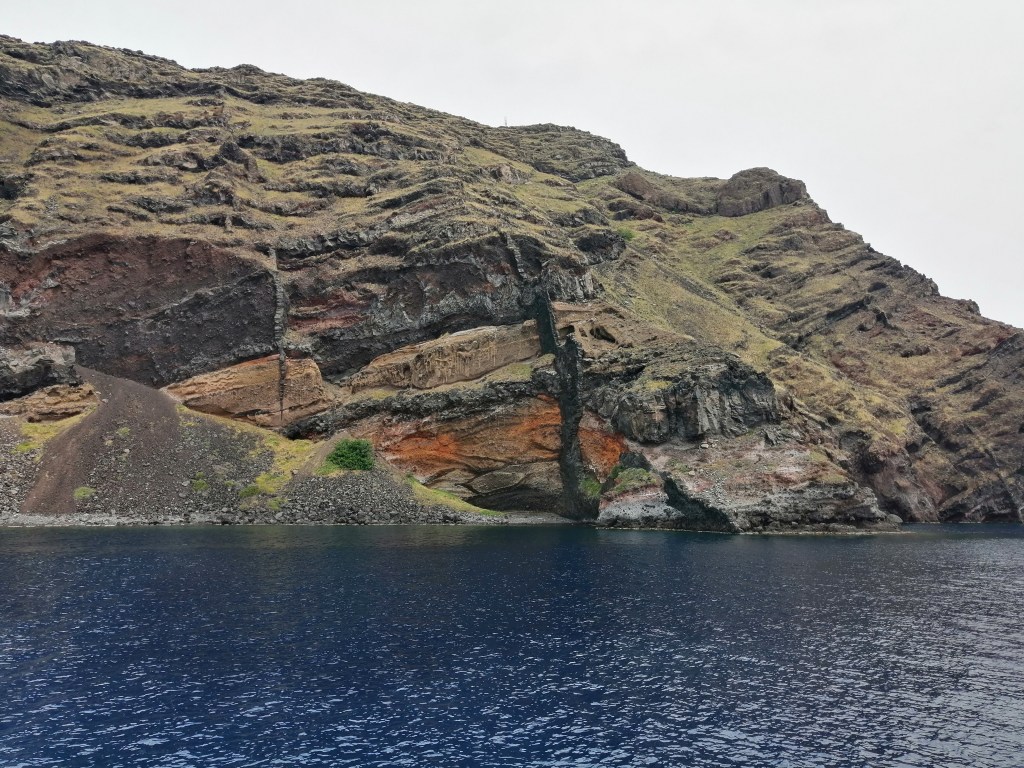
The LithoMar Task Force aims to create a strong scientific network and foster cross-disciplinary collaboration across projects and institutions, with a focus on areas where current knowledge is still limited. These include:
- Understanding the geomorphological imprint of tectonics and volcanism on the seafloor, over a wider range of spatio-temporal scales.
- Develop new methodology to assess the role of tectonic activity in controlling deep-sea sedimentary processes and their topographic signature on divergent margins and oceanic hotspots during late Quaternary.
- Examining how the interaction between tectono-volcanic, sedimentary and (bio)geochemical processes influences the distribution of marine ecosystems at divergent margins and oceanic hotspots.
- Improving our ability to detect and evaluate marine geohazards, such as submarine landslides, earthquakes, and volcanic activity.
🌐 International Collaboration
LithoMar
brings together a network of more than 50 scientists from over 10 countries, representing a wide range of expertise including geology, geophysics, oceanography, and marine ecology. The project fosters collaborative research and data sharing, supporting joint fieldwork, training initiatives, and participation in international scientific events.
🎯 Societal Relevance and Outreach
Beyond scientific advancement, LithoMar aims to provide tools for the sustainable management of marine resources , many of which are increasingly located in deep and challenging environments. The team is also active in outreach and education , using technologies such as 3D mapping and Virtual Reality to create immersive experiences that bring the deep ocean closer to the public, educators, and decision-makers.
 LITHOMAR